
Mike Parsons
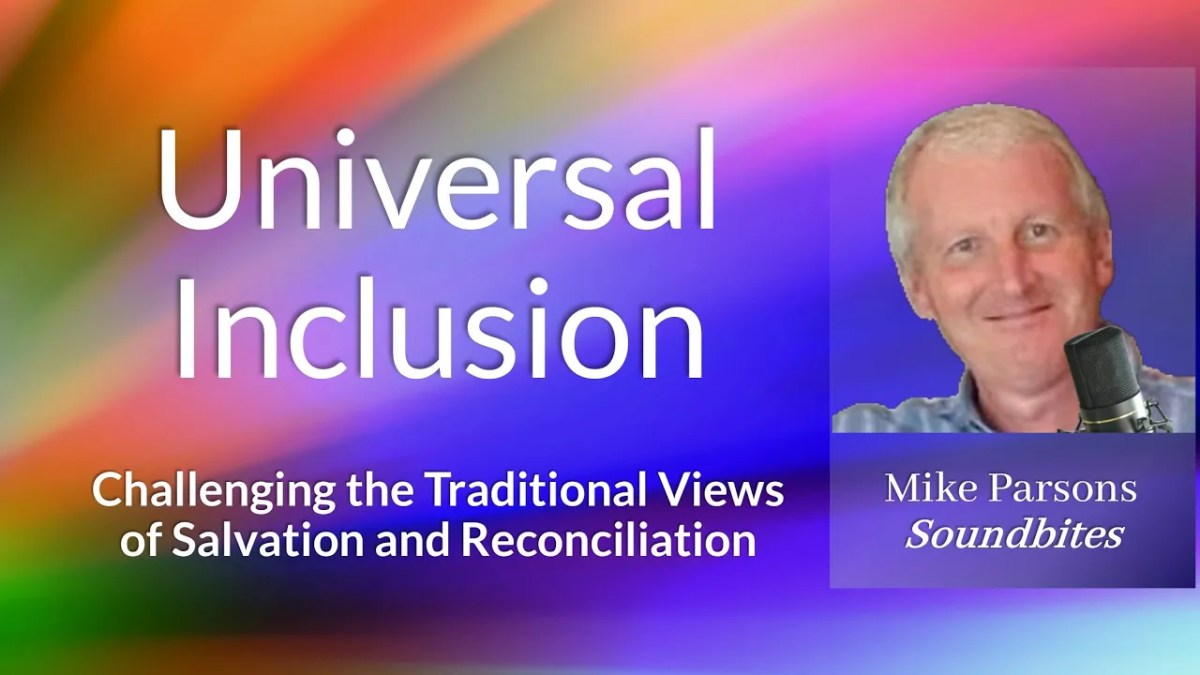
Some are in Christ and some are not? I personally don’t believe that because everyone’s in Christ through the resurrection.
Everyone was born from above, so everyone’s included in Christ. That might have been true before the cross, but post-cross, everyone is now in Christ and everyone has been born from above. I don’t see that there are those who aren’t. There are those who don’t know they’re in Christ and wouldn’t go to the Father because they don’t realise their position as sons of God, and there are those who do have that revelation.
Limited atonement
From my perspective, what Jesus did on the cross was reconciling the whole cosmos to himself, not just some. That view is a limited atonement view, or an Arminian view, where only those who accept what Jesus has done are born again after they accept it. This is an old covenant, works-based mentality rather than a grace mentality. Essentially, what Jesus did was reconcile the cosmos to himself, which did not require us to do anything. He did it all; he finished the work before we had to do anything.
When Jesus breathed into the disciples, they were representative of that resurrected, born-from-above, new creation. The reality is most people haven’t realised it yet. I don’t believe in an evangelical view of salvation, where we do something and then we’re saved. I believe we’ve been saved and we realise that we’re already saved; otherwise, it’s works-based.
I don’t believe that only those in Christ are saved, assuming they’re outside of Christ. I would say only those who know they’re in Christ would access the Father. If you didn’t know you were in Christ, you wouldn’t access the Father, would you? It may just be semantics, but I would say that is coming from a very evangelical perspective of “get born again when you pray a prayer,” whereas I would say no, you might pray a prayer that brings a realisation of what you already are, but it doesn’t happen after you do something. It’s already happened when Jesus did what he did.
Who we actually are
Before the cross, there were all sorts of people who were not following God. Although God hasn’t changed, and the Father hasn’t changed towards his creation and towards all people, Jesus came to rescue us or restore our ability to know who we actually are. We lost that ability through walking in independence, which affected who we really are. Jesus came to unveil and reveal who we really are so we can know that. In Corinthians, it says that you can’t really understand anything spiritually unless it’s in the spirit. If our spirit was dead, how would we ever come to a point where we wanted to accept Jesus? But if our spirit is alive and able to enter into that relationship that God has already provided for us, then it comes after realisation.
In an evangelical view, salvation is based on what we do and then God does something if we do something. I believe God’s already done it; the work’s already finished, and we enter into what has already been done by realisation of that. I don’t believe some are in Christ and some are outside of Christ: some know they’re in Christ, and some don’t know they’re in Christ.





 Sons of Issachar