Don’t strive for something, just keep flowing with it. If your heart is set on knowing the Father’s heart and then outworking the Father’s heart, that really is all that is needed.
I am aware that people are called to different things. Some are called to a heavenly function that is legislative, producing and outworking laws for heaven to manifest on earth. Those people will naturally spend more time doing that. Others are called to function primarily on earth, outworking what is already established in heaven. We are all different, so we need to discover who we are and where we are positioned, and then learn to be content with that.
You cannot lay down a single pattern for everyone. When it becomes a pattern, it becomes a formula, and everyone’s journey is different because everyone’s destiny is different. Finding your destiny and fulfilling it will bring fulfilment to you, but it may not fulfil me, because I would be doing something that is not really me. That is where a lot of frustration comes from. People often try to do what they see someone else doing, but that leads to frustration because they can never do it in the same way. They are not that person, and in trying to copy someone else, they miss the outworking of who they truly are and the peace and rest that comes with it.
For some, there is a desire to hold a particular position, even something like being seated on a galactic council. Often that desire is driven by ego, by a need for a position to validate self-worth. In reality, it is more likely that someone would be invited into something like the council of seventy if they did not want or need it. Those who strongly want it may need to look at why they want it, and what is motivating that desire.
I remember engaging with the council of seventy, and the Father saying there was a place for me there. My response was simple. I did not want it. I genuinely did not need validation from a position. I was content with who I was without any title or status. Around that time, I began to give away physical positions as well. I stepped out of church leadership and withdrew from various roles because I realised they were not really me. I had fulfilled certain roles because others were not able to, not because those roles reflected who I was.
Leadership, for example, was something I could do, but I did not enjoy it. I did not want a leadership role. I disliked being upfront, orchestrating meetings or managing structures. I am not an upfront personality type. I am actually quite shy, and I am comfortable on my own. Other people thrive in those roles, and they do them brilliantly. For me, it would always feel awkward and out of place.
I had to discern whether I avoided certain things because of fear or brokenness, or simply because they were not who I was. Over time, I realised that some things genuinely were not me, and it became easier to let them go. I became more secure in living from a state of being, rather than from doing. Church leadership and planting churches, even when done with the right motives, are very works-orientated.
I never wanted titles. People always want to give you one, but I never needed it. When someone asked what they should call me, my answer was simple. Call me Mike. I did not need to be called anything else. Titles were never part of my identity.
As I became more secure in who I was, I became free from the need to perform and from the need to meet other people’s expectations. I learned to say no. Some people did not like it, but I could say no without guilt. Not because I was being awkward, but because I knew it was not what God wanted me to do. If I kept doing things that were not mine to do, I would be blocking others from stepping into what they were called to do.
I realised that if I filled every role simply because I could, I was actually preventing others from finding their place. I had done every role, from cleaning toilets to preaching and leading, but that did not mean I should continue doing them. Instead, I began to encourage others to take their positions and to be who they were called to be.
If you enjoy these videos, please take a moment to like, comment and subscribe. It really does help. Thank you very much.
I believe the world is beginning to experience a series of awakenings. A love awakening, a grace awakening, a joy awakening, a peace awakening. A true God awakening to the reality of who God really is. We are part of that awakening, helping people discover the truth as we discover the truth ourselves, and then share it and live it. It is important that we embrace these awakenings. As we do, we begin to carry and express them naturally.
For a long time, God kept asking me a simple but profound question: who are you? He asked it in various ways over a period of time. At first, my answers were always works-based, tied to what I was doing. Like many people, I identified myself by what I did rather than by who I was. My soul defined my identity, but God was seeking to reveal the true me. For that to happen, my soul had to accept it, and that was not an easy process.
All of us go through a process, and God reveals who we really are in different ways. At the same time, he exposes what hinders us from accepting that reality. Each of us carries things that God has to deal with. Our souls have constructed identities using the data collected throughout our lives: things that happened to us, information we received, and the programming we absorbed through culture, religion and family. Information flowed through our senses, shaping survival strategies that helped the soul cope and protect itself from harsh realities.
Those defence mechanisms, however, often become prisons. They falsely promise safety while preventing us from knowing who we really are. Until the soul surrenders control, we cannot fully trust God for protection, provision and direction. Letting go of control is difficult, especially when we have learned to do everything ourselves. Trusting God sounds simple, but it is not. I believed I trusted God implicitly until he began to challenge what trust really meant in my relationship with him.
So, who am I? That question sits at the core of most people’s inner life.
Imagine a scene. You are in a boat, adrift on a vast ocean. You do not know where you are, and you do not realise that this ocean is unconditional love. You have no sails and no oars. This is the position humanity often finds itself in, unaware of where it truly is and protecting itself from the very reality that surrounds it. This state of despair is an illusion, a deception that causes people to try to navigate the surface of an ocean of love through self-effort.
The answer is to get out of the boat and sink into the depths of unconditional love. There we discover who we really are and who God really is. We are never separated from God, because we exist within him. Acts 17:28 tells us that in him we live and move and have our being. Everything exists within God, who has created space within himself for relationship. Separation, therefore, is an illusion we have created through guilt and shame. That illusion keeps us from intimacy with God and traps us in a lost identity.
Getting out of the boat feels counterintuitive to the natural mind, which has been conditioned to follow an independent, self-directed path. Yet the question remains: who are you, and how will you find out? I would suggest that you will never truly know if you stay in the boat. Even when it feels safer to stay there, paddling with your hands requires constant effort and never brings you to truth.
Who do you think you are? Ten years ago, I would have answered differently than I would today. Five years ago, my answer would have changed again. Thirty years ago, it would have been completely different. Who do others think you are? That question matters, because if we allow it, the opinions of others can define us. Are you shaped by your past experiences, your circumstances, your parents, your friends, your boss or even your genetics?
The deeper question is this: who does love say you are?
Get out of the boat. Sink into the vast ocean of love. Surrender, be immersed and saturated in unconditional love. Return to first love, because it is there that we discover who we really are. God, who is love, defines us. He defines who you are.
So, who are you? I would suggest that we can only truly know through a restored, face-to-face love relationship with God as Father, Son and Spirit. It is that relationship which enables us to discover the truth and to live in it.
If you enjoy these videos, please take a moment to like, comment and subscribe. It really does help. Thank you very much.
If I look at my life personally and reflect on where I have exchanged one thing for another, often these ‘shortcuts’ are presented as opportunities, but there is always a cost involved.
[Questioner: “This question came from your book, Unconditional Love.”]
All Mike’s books, including Unconditional Love, are available to order from online and local booksellers; or you can buy them as ebooks and download them instantly from our website.
Before the fall of the world, Lucifer fell from his position as an angel of light and music bearer of heaven. This fall arose from “I will” statements: “I will ascend,” “I will be like God.” His jealousy stemmed from his understanding of man’s role in creation, particularly as sons of God. He left his appointed role, which was to help mankind ascend. Having walked in the fire of God and the garden of God, he knew his purpose was to reflect God’s glory to mankind. Yet he chose a different path. In effect, he traded his heavenly position for a false aspiration of ascent—resulting in his fall into darkness and deception, losing his rightful role concerning mankind.
When considering trading or exchanging things, I focus on the positive side. Trading can happen in a covenant relationship, such as our covenant with God, where “what is His is ours, and what is ours is His.” If I give myself to God, I receive from Him. However, the negative side appears when we accept shortcuts that lead to harmful consequences. There is always a cost to taking a shortcut, in relationship with God.
One example is when Lucifer tempted Jesus in the wilderness: “You can be above all these things if you bow down to me.” That was a shortcut—a trade for a deceptive, false position that would have cost Jesus His true position and authority. Thankfully, Jesus resisted temptation in a way Eve did not, by quoting God, His Father.
The true cost is hidden
We all have weaknesses and needs in life where trades might function—these are not just spiritual but practical. For example, intimacy is a core human need. Pornography can become a substitute, a shortcut that results in addiction and loss of genuine intimacy. The same dynamic applies to finances, power, or position—“I will give you this if you pay this cost.” Often, the true cost is hidden beneath deception.
I recall early in my ministry when I helped plant a church. The main leader took advantage of my desire to serve full-time and got me to do all sorts of his dirty work. Looking back, I realise I traded my integrity and position for his approval and the prestige of that role. Though it was 30 years ago, I regret doing some of those things—not necessarily bad things, just things he didn’t want to do. I took on roles that weren’t mine, and it ultimately diminished my own value and worth.
There are many such trading floors that people fall into when they don’t know or aren’t secure in their true identity. The enemy exploits our insecurities and needs to trap us in behaviours that contradict who we really are. If you know who you are, you won’t fall for such traps.
If you enjoy these video blogs, please take a moment to like, share, comment, and subscribe—it really does help. Thank you very much.
From my perspective, it is like there are two scrolls. One is the scroll written of me by the Father—it is the scroll of my destiny, of my identity. The other is the scroll that is the record of my life—how I have actually lived.
Some of my life has been aligned with that identity and destiny, and some of it has not. When I engaged the judgment seat of Christ and the fire of God’s presence, I took the scroll of my life. Literally, of course, it is me stepping into that place—but the scroll is a way of relating to the process.
The Bible describes scrolls being written front and back, and that was my experience too. I brought that scroll before the Father. All I saw was a consuming fire—His eyes—and the scroll was opened.
Understanding Our Destiny
On the front side of the scroll, I saw wood, hay and straw—and also gold, silver and precious stones. These represented the things I had done as a believer. This was not about my life before I knew Christ—because everything from that time, every action rooted in lost identity, has already been forgiven and dealt with at the cross.
What I was seeing was my life in Christ—how I had lived in relationship with God. Some things had mixed motives. I was doing certain things to affirm my identity, to validate myself through activity. They were not necessarily wrong, but the motive was not pure.
And He consumed all of those things—everything described as wood, hay and straw. But the gold, silver and precious stones remained. My scroll—my life—was refined. Everything contradictory was removed. There was no guilt, no shame, no condemnation—just love.
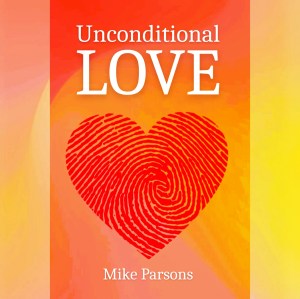
Unconditional Love – new book out now Mike Parsons’ new book, Unconditional Love, is out now. Order it from your favourite local or online bookseller today, or get the ebook instantly from our website. More details at eg.freedomarc.org/books.
Reflecting on Life Choices
On the reverse side of the scroll, I saw more gold, silver and precious stones—and more wood, hay and straw. This represented the things I had done in alignment with the Father’s heart, and also the things I had missed—things I could have done, but did not.
Some of those omissions came because I was not paying attention, or I was too busy, or simply unaware of what the Father was doing. As I began to feel sorrow and regret for missing those things, He just lovingly consumed it all—no condemnation, no guilt—just love.
That love removed all potential for the enemy to accuse me, or for me to condemn myself. He purified my scroll—my life—completely, so that nothing could hold me back.
The Judgment Seat of Christ
The judgment seat of Christ is not about punishment. It is about purification. It is about bringing our lives into alignment with who the Father says we are—not who we have been shaped to be by the world, our culture, our upbringing or religious systems.
Religion warps our identity. But God wants to reveal our true identity as sons. He wants us to operate from the truth of who we are in Him—not the false version formed by lost identity.
He has continued to speak to me—to reveal the vast sum of His thoughts about me, so I can come into deeper understanding of who I really am. I do not know everything yet—He is still revealing. But that is relationship. Sonship is discovered through relationship.
God’s Love and Forgiveness
In that relationship, He continues to purify and refine my life—removing anything that might hinder me from progressively knowing who I truly am and living from that reality. I know there were many times I acted from mixed motives—trying to earn or prove my identity.
But He has removed that mixture. The pure in heart will see God, and I did not want anything impure clouding that. In His kindness and generosity, He purified not only the record of my life, but also my memory of it.
There are things I can no longer recall—literally gone—wiped clean by His love and grace. And that is just His mercy and His wonderful, overwhelming love.
If you find these videos helpful, would you please take a moment to like, share, comment and subscribe? It really does help. Thank you very much!
As a complete transcript, this is a long read… so first, here’s a summary. Scroll down for the full text.
Video Summary:
When it comes to knowing our true identity, it’s not about copying others or climbing some spiritual ladder—it’s about hearing God for ourselves. We’re not trying to fit into a religious mould or follow someone else’s journey; we’re learning to rest, to trust, and to grow in relationship. It’s not about striving or earning, but about realising we’re already included, already loved, already free. God never meant us to stay stuck in old ways of thinking or be limited by what others say about us. He wants to reveal who we really are through direct, personal relationship—and that’s something no one else can define for us.
A lot of the time, we’ve been taught to see ourselves through filters—through what others expect, or what religion tells us is acceptable—but God wants to strip all that back and show us who we truly are. It’s a process, often uncomfortable, but always leading to freedom. As we begin to engage Him more deeply, we stop needing external affirmation, because we’re hearing His voice. We learn to let go of the fear of getting it wrong, and instead walk confidently as sons and daughters who already belong. We don’t need to strive to become what we already are—we just need to live in the reality of it and let God continue the transformation.
The more we get to know God, the more we realise how much better He is than we ever imagined, and that makes the journey exciting. Everyone’s story is different, and I love hearing them because together they show the richness of God’s work in us. I never planned any of what’s happened in my life, but step by step, God led me beyond what I thought possible. It’s not about comparison with others—it’s about becoming fully ourselves, embracing who God made us to be. That’s where rest and joy come from, not striving. And as we live in that identity, we naturally bless others. We become rivers of living water, refreshing the people around us, not by trying to be anyone else, but by being exactly who we are in Him.
Mike’s latest book, Unconditional Love, is out now as an ebook on our website and will soon be available to order in paperback from your local or online bookseller.
I think when it comes to the relationship side of it, he’s on his own journey. So really, it’s about encouragement. If there’s an opportunity to practise something with him, then do something simple—like going to the throne of grace with a problem, or something basic that helps him engage with God on the inside. Where is God? Because a lot of people have never really considered the reality of that. They might say, “Well, yes, God is in me, the Holy Spirit is in me,” but where exactly? And how do we relate to that? How do you engage with that in any real sense? Rather than just saying, “Well, he’s there. I know the Holy Spirit is in me,” actually exploring where and how that works with our spirit and soul, and how that brings life.
You can also open up some other ideas—like Psalm 23, lying down in green pastures. Well, that could be the garden of your heart. There’s a scripture that says the heart is like a well-watered garden, so you can point towards both that inner relationship and the development of personal intimacy. But also you can say, we have access to be seated with God in heavenly places where Christ is. We can be seated there, which means a position of identity and authority. But also, intimacy—being with the Father, just as Jesus is with the Father, so are we.
So I think there are those two aspects you can begin to help someone engage with, if they’re on a journey—which obviously your son is, as he’s discovering things and having realisations. There still aren’t too many people who’ve put all of these elements together into one consistent whole. You know, Don [Keathley] has done the kingdom, the now, and the eschatology, but perhaps hasn’t quite touched on the intimacy and heavenly encounter aspects yet—or maybe he has and just hasn’t shared that. Who knows? But I imagine he’s on that journey, and the Father will be opening that door for him. That’s when it moves beyond just a theological belief system to a relational belief system—one that reveals the true nature of God.
Ultimately, I know he’s very much into love and the reality that God’s nature is love. I doubt that’s just a theory for him—I think it’s his experience. God’s got him on his own personal journey of experience. And I’d say, start with love. God is love—so how does he experience God as love? What does that mean? The unconditional nature of love can begin to deal with the religious obligations and duties that may have come from earlier experiences. Unconditional love brings a revelation of God that shows just how good he is—how kind, tolerant, patient and wonderful he is.
So help him experience unconditional love with very simple things—like closing his eyes, being still and knowing God. Be still and know love. Let love touch him. These small things can be really helpful for little breakthroughs, which then become a taste of something deeper, something that can lead further into the fullness of God revealing himself. And then your son can come to know who he is in God—free from any of the religious baggage we’ve all had to work through.
It’s the little things really. You want someone to always want more, rather than feeling overwhelmed. Like after a big meal when you feel so full it’s uncomfortable—you don’t want that spiritually. It’s tempting to give someone too much, but it’s better to offer just enough so they’re still hungry, still curious. Rather than thinking, “This might be my only or best opportunity, so I’m going to give them the whole lot,” it’s better to go bit by bit.
The idea of a “joy economy” speaks to me of how heaven functions—not based on duty, obligation or even money as we know it, but on joy. Having joy in something is worth more than the kind of economy that’s all about profit. Enjoying your work is better than just working to live. That phrase has all sorts of connotations. In an economic sense, if you’re serving someone in what you’re doing—whether that’s in a job or your own business—what’s your motive? Do you want someone to be blessed, to be happy receiving your product or service? That changes everything. The joy economy has a different motive behind it.
More broadly, God wants us to live with an attitude of thanksgiving and gratitude—which is joyful. Rejoice always, and again I say, rejoice. You can’t rejoice if you’re miserable and focused on what you don’t have. You rejoice over what you do have—what God has done, what Jesus did, your experiences, your testimony. That focus on the positive opens up even more in the future. Whereas the joy economy would not be based on warfare—there’s no joy in war. We don’t want to be at war with anything or anyone. That fits with a restorative view: I’m not going to fight against something, I’m going to restore—whether that’s a relationship or a person. Restoration, not opposition.
The Freedom of Sonship
So there are lots of different ways of looking at it, but joy is the predominant factor. Whether you’re thinking in financial terms or in terms of how things work, joy is foundational. And I’d say love, joy and peace all work together—they cement the whole thing. Then from that comes grace and mercy. The joy economy is living in limitless grace, triumphant mercy and unconditional love. These are aspects that deepen and broaden what joy really is.
If I don’t know I’m unconditionally loved, it’s very difficult to be truly joyful, because there’ll always be a condition I feel I have to meet—and I might fail. So unconditional love leads to joy, and joy leads to peace. And peace really comes when you’re at rest—when you’re not striving or struggling or constantly trying to tick boxes. It’s that place of rest, where you’re living in what God’s already done and who he already is towards us.
That can then start to shape the way we live—how we live in this world and how we stay peaceful even in hard times. Rejoicing, praising, being thankful—not just when life is wonderful on the surface, but also in the midst of difficulty. People often look at the world and feel despair—“It’s getting worse and worse.” But I look at the world and yes, I see what’s going on—but I also know the kingdom of God is filling the Earth. I believe God will restore everything eventually. So I’m not focused on how it is now—I’m focused on what it will be like when it’s restored, when the kingdom is functioning on Earth as it is in heaven.
It’s easy to become despondent when you focus on the negative, but I try to focus on God’s intention—his future. So what’s happening now is only temporary. I’m not going to let something temporary weigh me down or cloud my perspective. Yes, it might be a fact right now, but the truth is that everything will be restored to God’s original design, however long it takes. And while I’m here, I’m going to enjoy life and live in that truth.
To me, the economy of joy is how I live. It’s how I rejoice in things and stay thankful. I look out the window and the sun’s shining—I rejoice in that. It’s beautiful. Maybe I can’t be out there right now, but I rejoice that others are enjoying it—the garden, the wildlife, the birds feeding on the table—they’re enjoying it, and I rejoice in that too. Creation seems to be smiling.
And if it’s rainy one day—well, I’m inside, so that’s great. I can be thankful the rain is watering the earth, preparing the plants for spring. You can always choose to see something positive. For me, my attitude of joy is this: the glass is half full and getting fuller—or already overflowing. Rather than focusing on the negative. A lot of what we’ve been taught tends to focus on the negative—the enemy, the fight, the battle.
I’m not interested in the enemy or what he’s doing. Because of that, he generally leaves me alone. By and large, the enemy doesn’t want to mess with me—because I’d look to restore things, even for him. So from that perspective, I’m not coming from a place of focusing on warfare or negativity. I’m coming from a position of, this is where I’m seated, this is who I am. Everything is under my feet.
So, I ask, What is God’s intention in this situation? And I can rejoice in that, because I know God’s purpose is always to bring good out of it. I want to be part of that. I believe we have a mandate to live in joy and to be joyful. It’s not just a nice idea—Jesus said, My joy is in you so your joy can be full. That sounds like a mandate to me.
He also said, My peace I leave with you—not as the world gives. That kind of peace goes beyond understanding. Again, that feels like a mandate: live in peace. And then, Love one another as I have loved you—that’s not just a suggestion, that’s a commandment. It’s a new one. But in essence, the real commandment is: Let Me love you, so you can love others. That’s a mandate too.
God wants us to live in love, joy, peace and rest. And from that place of rest, everything else begins to flow. A group could absolutely have a corporate mandate to steward or administrate a “joy economy”—to live it out personally and also see how it might impact the world around them.
The medical profession is increasingly recognising the effects of gratitude and joy on the body and mind. It brings a sense of wholeness. It even boosts the immune system when we live in a state of thankfulness and joy, rather than under a cloud of doom, gloom and misery. Life is meant to be enjoyed, not endured.
Sure, we can look at the world and say, “It’s a mess,” but that doesn’t mean it has to stay that way—and it doesn’t mean we have to be affected by it. I believe the world does need to awaken, and the Church especially needs to awaken—big time—to joy. Too often it gets bogged down in negativity.
But the truth is, God is always working, always processing, always good. He’s always wanting to bring good out of every situation. And we get to cooperate with Him in that. Yes, sometimes we see things that we want to change, and it’s okay to bring those to God. We can work with Him on it. We can wrestle with Him. But at the end of the day, we trust Him. We trust that what He’s doing will ultimately work out for the best.
Sometimes we have to refocus our attention and actively engage God in the things we want to see change. God doesn’t want us to be passive. He wants us to be real, to share our hearts, to express our desires. We don’t have to pretend everything’s fine when it’s not. There’s a difference between wrestling with God and accusing Him. Wrestling says, “This is what I long for—this is my heart.” And then we rest in His goodness, trusting that His way will prevail.
So yes, we can wrestle—but not to force our own way. We wrestle so that God’s way can be released into our situations.
With your son—it’s been a long journey. You’ve seen things along the way. And you’re not giving up. I remember you saying he told you Jesus had agreed to his calling—and laughed, saying, “So did you.” That just made me smile.
It’s tough when you’ve got years of memories and patterns, but the small shifts and signs of progress are encouraging. They help you persevere. They remind you to be consistent. Ultimately, it’s about relying on the grace, mercy, love and goodness of God—for you, your son, your whole family.
And yes, it’s absolutely fine to remind God of His promises. He said them in the first place. You’re just reminding Him of who He is. That gives us confidence. We come boldly before the throne of grace. We don’t have to tiptoe. We can come with confidence because we know God is good.
When it comes to entering into the fullness of all God has for us, seeing ourselves the way God sees us is key. We have to come into agreement with God—aligning our minds and hearts with His. His thoughts about us are vast and loving. If our thoughts contradict His, it becomes difficult to receive and accept the wonder of who we are in His eyes.
So God wants us to step into the fullness of our relationship with Him—through intimacy, through the revelation of how He sees us, and how that reveals our true identity. If He loves me unconditionally but I don’t love myself the same way, then something’s out of alignment. And that causes problems.
Many people struggle with identity. They don’t see themselves the way God does. So we’re faced with a choice: do I believe what others have said about me? Do I believe what my past says? Or do I believe what God says?
Scripture says, Love one another as you love yourself. So if you don’t know how to love yourself, how can you love others properly? Loving yourself doesn’t mean being selfish. It means seeing yourself as God sees you. You are the righteousness of God in Christ. That’s the truth. And when you really believe that—when you stop striving and start accepting—it becomes your experience, your reality.
Knowing your identity also means facing what’s shaped your identity up to now. If your past contradicts what God says about you, you have to be willing to deal with that. Don’t ignore it or deny it. Face it with honesty.
You can say, “Father, I struggle to believe what You say because this has happened to me.” Maybe it’s rejection. Maybe people let you down. And then the Father says, “I’ve never rejected you—I accept you.” And then the choice is, do I forgive those who rejected me? Do I let God heal me?
Because emotional damage can make it hard to receive love, especially the kind God offers. But healing comes when you forgive those who hurt you and release them. Most people aren’t capable of loving you the way God does—because they’re not God. And that’s okay. But you can still choose to forgive.
If you try to build self-esteem from your own efforts—your works, your successes—then failure will knock you down hard. But if your worth comes from God, which is unchanging and unconditional, then even when you fall short, you’re still secure. It must come from God—that’s where the truth is, the Way, the Truth and the Life; that’s where love is, He is love. Ultimately that’s the key. It must come from Him.
Living Beyond Limits | Identity and Intimacy
It may not always be easy to accept that, but the more and more we get to know God, the easier it becomes to accept—because we realise he’s better than we could have ever imagined or thought. And it’s good to hear that. It’s just good to hear different people’s experiences. It’s good to share the journey with others. I love these sessions because I’m always meeting new people—people with different pasts, different identities—but they’re all sons of God. And within that, God’s relationship with each one is unique and wonderful.
We can celebrate and rejoice in the diversity of our lives and our journeys, and the fact that they can connect with others. I can’t relate to everyone, but someone else can—and that’s why it’s so important we all share our journeys and experiences together. It’s encouraging—yes, we’re encouraging each other in recognising that God is at work in all of us, in different ways. And that gives hope to everyone.
God just seems to go beyond anything you can imagine or think. That, to me, is such a great truth—God is always beyond what you can imagine or think. And that’s why I find it exciting. For me, every day is a day to learn something new, to experience something more. Every day is a good day—because God is so good.
When I think about the limitations of what I could ask or imagine, and then compare that to how good God wants things to be—I can ask for a lot, and I can think pretty big—but I’ll never exceed who God is. And it’s a wonderful thing to know that God will go beyond my limitations—about myself or about my life.
I look back at what’s happened and I think, “I never saw that coming.” I’d have never thought I’d end up doing the things I’ve done. It wasn’t on my agenda. It’s not like I had a life plan where I knew exactly how things would work. It was always just one step at a time—getting to know God, hearing from him, and actually believing some of the things he was showing me.
And a lot of the time, I didn’t even know how to think like that. I would never have imagined myself doing what I’m doing now. When I was working in a hospital—specifically, in a hospital lab—I would never have imagined that I’d go on to plant churches, that I’d be connecting with people all over the world, teaching, helping and encouraging. But God knew. And he led me, step by step.
Where I see limitations, God sees beyond. When I think, “How am I supposed to do that?” he already knows I can—if I’m willing to keep walking the journey. And even when things don’t go to plan—when they go wrong or don’t turn out the way I intended—I know God is good, and he wants to bring something better out of it. Even that is beyond what I can see in the moment. Because God is so much better, so much bigger, and has greater expectations than I do.
If I’d asked for what I thought would make me happy, I’d have asked for far less than what I’ve actually received in my life. So from that perspective, God really is so good. And the journey has been full of blessings—some of them unexpected, some of them way beyond what I could have imagined or thought. Because he’s able to do exceedingly, abundantly, above all that we could ask or think.
That fills my future with optimism. Whatever comes, God is bigger and more than able to handle it. And I know his goodness, grace and mercy are limitless and overflowing. His love is unconditional—and for me, that makes all the difference.
When God said to me, “beyond beyond,” I didn’t know what he meant. I had no idea. I could’ve tried to reason it out—“beyond beyond,” what does that even mean? But with God, it’s always beyond beyond. It’s beyond my wildest dreams, beyond my imagination, beyond my experiences, beyond anywhere I’ve ever been before. God himself is beyond anything I can imagine, think, reason or understand. He always goes beyond where I would put a limitation.
I ask myself, “Where else could this possibly lead?”—and there’s always a beyond.
In the past, our security and foundation were probably rooted in doctrine—those things we were certain of, that gave us identity, reputation, or a sense of how people viewed us. But once we start engaging God and seeing how he sees us, those things no longer matter. Paul called them rubbish—refuse, dung. Whether you call it a hill of beans or anything else—it’s all the same: none of it compares to the intimacy of knowing God and his love, and discovering who we really are.
And then it’s about living that out—becoming who we truly are. It’s great when people can point the way or encourage us—people who say, “Hey, there’s more.” People who share testimonies, or go ahead as forerunners and say, “There’s something over here.” Explorers who discover a new realm and invite others into it. That’s great—but then you become that to someone else.
That’s the reality. You know way more people than I do—you have your own circle, your own connections. I don’t know them. But you do. And God can open something up for you to be a forerunner in their lives. Your experiences then become a source of encouragement and inspiration for them.
That’s really what it comes down to. I’ve been blessed—and I’ve been blessed by others who’ve encouraged me, shared their journey, supported me. And I want to be a blessing in return. But you can only bless others if you yourself have been blessed.
I think God wants us to be blessed in the fullest sense—to be empowered to succeed and thrive in who we are, so that who we are becomes a blessing to someone else. I only need to be me. You only need to be you. You don’t have to be me—and thank God for that! That’s where comparison falls away. You can look at what I’ve taught and be encouraged, but you don’t have to be me. You can’t be me—you’re not me.
Some people try to be like someone else, but God just wants you to be you. And I think that’s the mark of someone who’s really discovered their identity—they’re not pointing people to themselves, but pointing them back to the source in their life: God. He’s the one who helps you become the best version of you. And that is what will bless others.
I can’t bless someone else by trying to be like Justin [Justin Paul Abraham]. I’m not Justin. I love Justin—I love who he is, and what he brings. He adds a flavour to the bigger picture that I never could—because I’m not like that. But I can be me. And I’ll be able to help people who maybe need something slightly different. And people can learn from both of us—because there’s no comparison. I don’t have to be like him, and he doesn’t have to be like me.
I can be content in who I am and rejoice in who he is. I can celebrate people’s differences—because it means I don’t have to be that way. Trying to be someone else is hard work! It really is. But God doesn’t want us striving—he wants us at rest. And real rest comes when we’re living in the truth of who we are, in that relationship with God.
So, we rejoice in it. We enjoy it. We go back to that joy economy we started with—this life is meant to be enjoyed. And I’ll never enjoy it if I’m trying to be someone else. But when I truly accept who he made me to be, and I live in that, that’s when my true identity shines through. And that identity only comes out of who I am in him.
So intimacy and relationship—that’s all I need. But it’s not selfish. It’s not self-centred. It’s always about being a blessing. That’s the key. If something isn’t flowing through me, then it’s stagnating in me. And stagnant water? Well, the only thing that likes that is mosquitoes!
I need rivers of living water flowing from my innermost being—so that I become a refreshment to others, and others can refresh me too. When we really celebrate each other, we learn from so many different sources. But ultimately, God is the source. He is the way. He is the Tree of Life.
That’s the key.
Please remember to like, share, comment and subscribe, either here or on YouTube – it really helps us get the message out!
Our spirit itself is not damaged or impure; it is simply not connected. Our spirit has never truly been disconnected from God, but our soul has been. When we realise that God is within us and we open that first love gate in our spirit, we allow God to flow into us, engaging spirit, soul and body. This marks the start of a relational engagement with God, helping us find our true identity.
Most people derive their identity from what they do in the world or from past experiences, rather than from who God says they are. Our spirit already knows who we are because our origin has always been in God. The spirit existed before our body and soul; it pre-existed before coming into the body, but entered into a state of disconnection when it did.
Into union
God desires to reveal himself in a way that reconnects us, making us whole and bringing us into union with him—spirit, soul and body. When this union occurs, life flows like rivers of living water, an abundant life from the inside out. Instead of allowing external experiences to shape our inner life, our inner life should shape our external experience. This is God’s intention for us.
We can cultivate our spirit and increase our spiritual capacity by focusing on our spiritual senses rather than our physical and soul senses. This is a meditative practice—meditating on the spirit, its abilities and senses. As we do this, our spiritual senses grow and develop, allowing us to operate intuitively in the spirit rather than relying solely on cognitive processing.
Through practice
Some may believe that the spirit can be damaged, but I do not. I believe the spirit has never been damaged or occupied by anything other than God. However, this does not mean we automatically function through the spirit, as we often lack the training and understanding to do so. Hebrews teaches us that through practice, we can train our senses to discern. This applies to both our physical and soul senses, aligning them with our spiritual senses and prioritising spiritual understanding over cognitive processes.
When we engage in the spirit, it acts as a filter for external influences, offering insight before the soul interprets them. Our goal is to discern through the spirit rather than relying solely on memory, logic, reason or cognitive understanding. Developing this spiritual discernment takes time, as we have often lived with the soul as the dominant force in determining how we act, think and feel.
To shift this, we must cultivate a new framework of thinking and acting from our spiritual senses rather than allowing our physical and soul senses to take the lead. This process requires patience and practice, but the transformation is profound, enabling us to live in abundance and alignment with God’s purpose for us.
Please like, comment, share and subscribe – thank you!
Mike’s latest book, Unconditional Love, is out now as an ebook on our website and will soon be available to order in paperback from your local or online bookseller.
All who dwell on the earth will worship him, whose names have not been written in the Book of Life of the Lamb slain from the foundation of the world. (Revelation 13:8 NKJV).
Before the foundation of the world, Jesus did not physically die; rather, he offered himself in identification with humanity, should we fall into a state of perceived separation from God. His self-offering was not about death itself but about fully embracing our condition so that we could ultimately live. The phrase “the Lamb slain before the foundation of the world” speaks to this identification. However, since God never desired sacrifices or offerings, he did not orchestrate Jesus’ death in a punitive sense. Instead, Jesus willingly gave himself so that we would always be restored.
Jesus came as a man to redefine our understanding of God. To accomplish this, he had to fully identify with us in the flesh, living as we do. By experiencing our humanity, he took on our death, not as a punishment from God but as an act of love. Humanity, not God, put Jesus to death. Yet, through his death, he overcame its power, bringing about the resurrection that includes us all. His coming was essential—not to appease divine wrath but to restore our lost identity and reunite us with the Father. While he did not die before the foundation of the world, he committed himself to our redemption from the very beginning, ensuring that no matter what, we would always be restored to relationship with God. Ephesians 1:4 (Mirror Bible) affirms this, stating that God’s plan has always been to restore us to face-to-face innocence.
So some are excluded?
However, you are not in the flesh but in the Spirit, if indeed the Spirit of God dwells in you. But if anyone does not have the Spirit of Christ, he does not belong to Him. (Romans 8:9).
The passage in Romans 8:9 must be understood in context. It speaks of the mind and spirit and our choice to identify with either life in Christ or the law of sin and death. If our mindset remains focused on sin and death, we live as if we do not belong to Christ. When Jesus said, “Depart from me, I never knew you,” it was not about literal ignorance but covenantal relationship. If people continued living under the old covenant, refusing the relationship Jesus offered in the new, they remained unknown to him in that sense. The passage does not imply that some are excluded from Christ, but rather that those who think and live according to the old ways act as if they are outside of him. In reality, the Spirit is in all, breathed into humanity just as he was into the disciples, making all people part of the new creation. The issue is not whether we belong to him, but whether we recognise and live in that truth.
The issue is not whether we belong to him, but whether we recognise and live in that truth.
As Proverbs states, “As a man thinks in his heart, so is he.” If our thinking remains rooted in the law of sin and death, we experience separation—not because Christ is absent, but because our mindset does not align with the truth of who we are in him. We are not cut off from God; rather, we live as if we are. The passage emphasises the importance of shifting our perspective, rejecting the old covenant mindset, and embracing the truth of life in the Spirit. When we do, we experience the reality that Christ is in us, and we are fully his.
Lost?
Being lost does not mean being disowned. The parables of the lost sheep, the lost coin, and the prodigal son illustrate this truth. The lost sheep still belonged to the shepherd; the lost coin was still owned by the woman, though it was temporarily out of reach; and the prodigal son remained a son, even though he had distanced himself from his father. The problem was never one of ownership but of connection. Likewise, all people belong to Christ, but those who do not recognise their identity in him live as if they are lost. The solution is simply to awaken to the truth and return to that place of belonging.
The key is to remain in a place of rest—resting in the knowledge that there is no condemnation for those in Christ Jesus. We have been set free from the law of sin and death, and we are called to live in the fullness of that freedom. Rather than striving or struggling, we are invited to abide in this truth, resting in the life Christ has already secured for us.
If this blog and video have helped you, please share, like and comment. That brings it toothers’ attention. Subscribe too, whether here or on YouTube – then you won’t miss any!
When we think of wisdom, we often consider it as insight into what to do in a particular situation. However, wisdom is more about understanding the heart of the Father in that situation. We are then motivated by the Father’s heart, not by a set of actions we feel we must take. The expression of the Father’s heart can be revealed in many different ways, as there isn’t just one prescribed way to act. There are multiple ways that people might respond to a situation, all in line with the Father’s heart.
‘Cardiognosis’ refers to the heart-to-heart relationship in which the Father constantly reveals His heart to us, in every situation we face. We are called to be an expression of that heart in every dynamic of our lives. Wisdom, therefore, is the expression of the Father’s heart through us. It is being who we are in each moment, reflecting the heart of the Father. To understand the Father’s heart is to know Him intimately. It is through this experiential knowledge that we are guided and directed. Wisdom is the outworking of the Father’s heart within us, shaping our actions.
Many people seek to know their purpose, their scroll, or their destiny—what they are supposed to do. However, God doesn’t reveal to us what we are supposed to do; rather, He reveals who we are. When God shows us who we are in relationship with Him, He also reveals His heart. This allows us to outwork His heart through our own identity.
The scroll is, in fact, a revelation of who we are, not a list of tasks we must accomplish. This mindset challenges the common view, which often revolves around a works-based mentality—what do I need to do, what is God’s will? But God does not necessarily reveal His will in specifics; He reveals His heart, and from that place of intimacy, we act.
Jesus exemplified this perfectly: He only did what He saw the Father doing. This wasn’t about seeing a specific action; it was about the revelation of the Father’s heart. Jesus lived in constant union with the Father, expressing this oneness throughout His life. Jesus said, “I and the Father are one. If you’ve seen Me, you’ve seen the Father,” and this is how God wants us to be too. When people see us, they should see the Father because we are His sons and daughters.
Knowing the Father’s heart frees us, allowing us to express ourselves in line with His heart without rigid formulas. The Father’s heart is expressed differently through each of us because we are all unique. When we engage with others, we do so from our individual perspectives, which are shaped by our redemptive gifts and the way God made us.
This diversity is essential. If we all engage in the same situation, each of us will express the Father’s heart differently based on who we are. This is why we need more than one person to reflect the Father’s heart—it’s not about performing an exact action but about being the person God created us to be.
This understanding of wisdom brings freedom. We don’t need to strive to do things “the right way” or fear doing something wrong. Instead, we are free to be an expression of God’s heart—expressing His love to those around us. When we engage with others, we are sharing God’s love and passion for them. This creates a deep connection where people feel how much God cares for them.
In every situation, I can be an expression of the Father’s heart. It doesn’t matter if I know exactly what to do or if I am following a specific set of actions. What matters is that I am being me—an expression of God’s heart. My scroll isn’t a checklist of tasks, but the freedom to live as God designed me.
This freedom is rooted in intimacy. To know the Father’s heart, we must be close to Him; we cannot engage from a distance or through mere intellectual understanding. Cardiognosis is a heart-to-heart union with God, where His heart is continually revealed to us, and we receive it deeply, not just in our heads, but in our hearts.
As we grow in intimacy with God, we will begin to experience the illumination of our hearts. This deeper, instinctive understanding will guide us in outworking the Father’s heart. It’s not always about doing something specific—it’s about being the person God made us to be, reflecting His love and wisdom in every moment.
If you enjoy these blog posts, please take a moment to like, share, comment and subscribe—it really helps. Thank you!
As we have been created in the image of God, sonship is the key. Father, Son and Spirit exist in an eternal circle of relationship, a mutual exchange of love. This dynamic love is central, and although the Spirit represents a spiritual reality, God has also created the natural realm to interact with us as His children. This allows us to reflect, receive and extend that love to one another. Love is always key with God – He has created us both to be loved and to love.
We are included in the circle of relationship between Father, Son and Spirit. He has placed eternity in our hearts, so we are drawn back to that relationship, even if we are not fully aware of it. This pull towards worship and connection with God is by His design. In the realm of creation, God has created us as sons to operate in sonship towards creation, as creation was made for us, not primarily for Him. Creation exists so that, as His children and co-heirs and co-creators, we might mature, come into an ascended state and, like Him, become creative.
There are things God has chosen only us to do, as we carry His DNA signature. We are made in His image and likeness, and this distinguishes us as a race. Angels, for instance, are created as individual beings with unique purposes. Other dimensions contain races as well, but they are all connected to this dimension, as we are the reference point for them. This calling is not about arrogance or claiming superiority; rather, we have been chosen as His children to steward creation with Him, moving forward into ages to come. There is a joy in God’s heart for us, and He wants this joy to be in us so our joy may be complete.
This co-heirship leads to co-creatorship, and as sons and daughters, we become creative. We express this creativity in our daily lives, but there is also the potential to create as God creates, calling things into existence as if they are. This starts with choosing realities that align with the Father’s heart and His intentions for our lives. Creation responds to us, forming that reality as we collapse quantum possibilities into being. However, to understand His intentions, we need intimacy with the Father’s heart. Jesus only did what He saw the Father doing, and that is what God desires from us – a relationship that is face to face, heart to heart, mind to mind, in the light of His presence. As His children, we then work in collaboration with Him to realise His intentions, choosing realities aligned with His purposes willingly and cooperatively within this co-creatorship.
Of course, I do not have all the answers because I am not God. There may be many other reasons for God creating us in this way and for creating the physical, spiritual and dimensional realms. God is a creative being, but I know with certainty that His purpose in creating is rooted in love. The whole of creation is meant to experience His love. This is why creation is waiting and longing for the revealing of the sons of God so it may be set free from corruption into the freedom of the glory of God’s children. He has given us a glorious image, clothing us in sonship so creation can respond to us. When we speak with His voice, carrying out His intentions, creation responds.
Therefore, it is essential to know His heart and to carry out His purposes with love. We love because He first loved us, and we love one another as He has loved us. This also means we should respond to creation lovingly, bringing God’s kingdom – His rulership and dominion – through love and not through any other way.
I hope this provides a little more insight into who we are and our image. We can only truly see ourselves by looking into the mirror of His face and seeing what is reflected back, listening to the vast sum of His thoughts about us. God has made each of us with a particular purpose, both individually and collectively as His children.
If you enjoy these videos, please take a moment to like, share, comment and subscribe – it really does help. Thank you very much!
There’s so much more in sonship to our role in bringing creation into freedom from its corruption into the freedom of the glory of the children of God. If we do not know the fullness of our glory, our true identity, then we will only be limited to what we can do on earth or what we can do in heaven. But we’re called to be multi-dimensional beings, immortal in both quantity and quality.
My heart filled with joy when I experienced this. I sank deeper and blissfully into rest, but at the same time, I was so excited by this revelation that I could hardly contain myself. I mean, can you imagine, in a moment, God showing you all that I’ve described? It was mind-expanding in that I was able to contain and believe what He was revealing. That is the reality of who I really am.
And the Father said, “See how easy it is to just be.” There’s a statement! And it was like, wow. When this happened to me, it didn’t feel easy. It was just like, whoa, my mind was going round and round, but I was also at rest in the same moment. So, “It’s easy just to be. This is just a glimpse of what it is to be I AM that I AM, that you will ascend to when you become an ascended father”. And I think for all of us, don’t be limited to just the thought of being a good son. God wants us to become co-creators in an ascended state of fatherhood. Do I understand that? No, but it’s in my heart, and I know that that is the reality of His intention for us.
“Son, learn to become aware of multi-dimensional reality but always stay in rest, living in love, joy, and peace within. Be balanced by the tree of life in the union between your spirit, soul and body”. I always anchor myself within that core of my being, with spirit and soul and body being equally in union and oneness and in harmony. I don’t put a value of the spirit or the soul above the body: I equally value every part. And that tree of life brings a balance between soul and spirit so we don’t just get caught up in all the spiritual, or get caught up in all the things in the world around us, but we are balanced and in harmony, one with the other.
“As you expand your spirit’s boundaries, practise expanding your consciousness to become more aware of the dimensional realities that you are mandated to govern in”. I have done that. It’s not something that I do all the time, but it’s something that I am aware of, and I am rejoicing, thankful, and grateful for all of that.
“All you learn to do as a son, made in our image with creative abilities, will equip you to become an ascended father in the ages to come. Son, the true authority of a son is realised through surrender, not service. So abandon yourself totally to just being.” Which is why I’m not focusing on all the doing, I’m focusing on ‘this is who I am, this is who you are, this is who we are’. We are called to embrace this level of expanded awareness and consciousness that frees us from being earthbound (or even heavenbound). God is unconditional love; that is why we can trust in His faithfulness, trustworthiness, dependability, reliability, consistency, constancy, steadfastness, diligence, and perseverance.
Unconditional Love
God is good. This is the dimension of the whole dynamic of unconditional love. There’s more I could probably go on to, but I feel that I want to move to something else. But unconditional love—stay in it, embrace it, experience it. Go beyond. Rest is that state of being where we are totally trusting in the Father’s love, His goodness, kindness, faithfulness, loving-kindness. The Father is 100% totally reliable, trustworthy, and dependable. To rest is to be in a state where there is no fear, worry, doubt, or unbelief. We just dwell, abide, and rest within that place—face to face, heart to heart, mind to mind.
All that I’ve experienced and discovered has deconstructed my mind, thinking, and beliefs, totally transforming my worldview, unlocking my identity as a son, and revealing my creative sonship abilities. I’m absolutely no different from you. You have the same abilities, capacity: the same sonship. You are unique and wonderfully made, and God wants you to experience and know that reality and truth for yourselves.
So I ask the question: Have you experienced unconditional love? Are you living in unconditional love? Are you demonstrating unconditional love by the way you live? Do you have this heavenly vision of unconditional love and the reality of who you really are? Do you know the vast sum of God’s thoughts about you? Embrace them, pursue them, seek them, and you will find them. Keep knocking, keep seeking, keep looking. Don’t give up, but be at rest and let Him lead you so that you follow Him by walking together with Him. This gets outworked in love, in that experience.
(This video clip and blog post are taken from the conclusion of Mike’s teaching series Unconditional Love.)
Support us
Our Patreon patrons give a small amount each month and can join us for our monthly group Zooms, get exclusive or early access to Mike’s teaching and enjoy further patron-only benefits. Or you can use the blue button to support our work with a one-time gift*. Thank you!
Note: This donation is securely handled through PayPal but you do not need to have a PayPal account yourself to make a one-time donation.
For repeating donations, if you do not have (or want) a PayPal account please support us through Patreon instead.
Mike’s YouTube Channel
These blog posts are based on videos posted on Mike’s YouTube channel. Want to see the latest ones as soon as they are published?
Subscribe at youtube.com




 Unconditional Love – new book out now











 Sons of Issachar