367. Encounter the Heavenly Arc of God’s Presence

Mike Parsons

Now, God is eternal. It may seem obvious to say, but it’s important to grasp and understand that we come from that eternal origin. He has always been, He is, and He will always be (Revelation 1:8). He is light (1 John 1:5), He is love (1 John 4:16), He is Spirit (John 4:24), and He is a consuming fire (Hebrews 12:29). If we meditate on these truths and other verses like them, they will open doorways for us to engage with who God is and to begin discovering who we are in that truth.

Meditation is something we need to learn and practice, focusing on these truths to open up revelation as we give ourselves time to rest in them. When we engage Him, we begin to know Him, and through that intimate relationship of beholding Him face to face, we start to understand who we are. Our identity is reflected back to us as we look at Him, revealing that we had our origin in Him.

A living sacrifice

I started by presenting myself as a living sacrifice in the Heavenly Tabernacle. As described in Hebrews, this is not the earthly tabernacle patterned after the heavenly, but the actual heavenly tabernacle designed for us to engage with God’s presence and experience Him. There are figurative elements that show as we progress and mature in our relationship with God, we come into a deeper understanding of Him and His mysteries.

In this process, I was led to engage as a living sacrifice. In other words, I surrendered and presented myself to my High Priest, Jesus, who, after the order of Melchizedek, would prepare me as that living sacrifice. I didn’t have to physically die—I had already died with Him. I had to recognize that my old identity had died, and I now live with Him, as He lives in me.

Mysteries of the Ark

As I entered into deeper intimacy, I also began to engage with the heavenly realms. In the Holy of Holies is the Ark of God’s Presence. Within the mysteries of the Ark, I began to uncover aspects of my identity and destiny. Figuratively, the items within the Ark—the tablets of stone, the manna, and Aaron’s rod that budded—have symbolic meanings. For me, these represented my desire to know my daily mandate, seeking God’s guidance on what was written for me to embrace, how His provision (manna) would help me fulfil it, and the authority (the rod) I had as a son to carry it out.

Every day, I would go to God and ask, “What’s my mandate for today? What do You want me to do?” But this focus on tasks eventually became work-oriented. That’s when God began to draw me back into a place of first love, reminding me that relationship with Him was far more important than doing things for Him. Being with Him became the foundation for everything I would do with Him.

A living connection

My first experience of engaging in the Holy of Holies and the Ark was like the picture of the Ark of the Covenant with the mercy seat and two cherubim covering it. In the Old Testament, God’s presence would appear there once a year when the high priest entered the Holy of Holies to offer atonement for the nation’s sins. When I engaged the Ark, it felt as though one of the cherubim was missing.

Some have hypothesised about this. For me, it signified that the connection was meant for us, as sons, to step in and form that arc with God. In doing so, I became part of a living connection, an arc of energy and life where God’s presence would spark. This is a figurative way of understanding what I perceived.

There are theories that suggest Lucifer was once a covering cherub designed to reflect God’s glory to humanity so we could mature. When he left his place, it left a vacancy for us to step into sonship and make that arc of connection with God. But for me, it was about balancing relationship and responsibility. God reveals His heart, and then He releases His resources to show us our position and authority as sons.

The mysteries of the Dance Floor opened up new experiences for me, leading me deeper into intimacy and, eventually, into my governmental roles within sonship, after the order of Melchizedek. These were not linear experiences but concurrent ones that progressively unveiled truth.

Four faces

After God let me go from the initial embrace of first love, I re-engaged with the Ark, and that’s when I began to see the four faces of God within that connection. These faces were part of the arcing point where I could see into the deeper nature of who God is.

I had never seen the four faces of God before, as I had been focused solely on what was inside the Ark. When this mystery finally unveiled itself, I began to see the revolving faces of the eagle, the lion, the ox and the man. Over a period of about a year, I engaged with each of these faces, starting with the eagle, which seemed to resonate deeply with my identity. Then I moved on to the lion.

As I continued to behold these faces, I saw how they related to my identity, but in hindsight, I realized that I should have begun with the face of the man. This face represented my true identity as a priest in the order of Melchizedek, and had I started there, the process might have unfolded more smoothly. Instead, I initially approached it as a legislator, king, oracle, and then priest. However, the proper order should have been priest, king, oracle, and then legislator. If I had first understood my identity as a royal priest, I would have been able to embrace the fullness of my calling.

Priesthood, our first priority, comes from intimacy with the Father’s heart. It’s from that place of closeness that we outwork the responsibilities of our role. Eventually, once I connected with my priesthood identity, I was able to stand in the name of God—Yod He Vav He—and take up my place among the revolving faces of God. In doing so, I began to carry the power of His name and the frequency of Yod He Vav He, which literally caused me to vibrate with the energy of God’s presence. The name of God activated the “I AM” within me, igniting my role as a priest and helping me see through the eyes of the man.

As a priest, I started to view my life and the world from God’s heart, then transitioned into the lion’s perspective, recognizing my role as a king and understanding my heavenly authority in the royal priesthood. This authority, in turn, prepared me to be an oracle and a legislator on Earth, following the path of the ox and the eagle.

Heavenly perspective

All of this was part of the dance with God that unfolded over time. It took many years for me to reach this point. If, back in 2010, God had told me I was a priest in the order of Melchizedek or an oracle or legislator, I wouldn’t have understood. I would have lacked the heavenly perspective necessary to stand in His name and activate the power of my sonship within that name. But as I engaged with the four faces of God as a priest, I eventually found myself accessing the Eternal Now and discovering my origin there.

Looking back, had I started with priesthood, this process might have unfolded a year earlier. But God allowed me to work it out from where I was. He didn’t force me but led me into deeper illumination and truth. Over time, I found myself within the divine dance of love and intimacy—**perichoresis**—and my identity began to be revealed as my eternal origin within God.

It was only then that I realized I had existed before coming into this world. This was a profound revelation that required significant deconstruction of old mindsets. When I first began to discover first love and my creation within God, I saw the importance of surrendering my soul to the trust of the One who loves us unconditionally.

This process of surrender happens at the level of intimacy we currently have with God, and He doesn’t expect us to go beyond what we are ready for. He meets us where we are but leads us deeper. For me, this culminated in what I call the “dark cloud experience,” which we’ll get to later in this series. Every day, I surrendered as a living sacrifice, asking God to do what He needed to prepare me for who I truly am.

Get out of the boat

In essence, we need to “get out of the boat”—the figurative boat of survival where we are protecting ourselves—and immerse ourselves in the vast ocean of God’s unconditional love. It’s only there, when we are no longer in control, that we can fully experience His love and trust Him completely.

So, get relaxed, get comfortable, and begin to focus on your breathing. Breathe in very, very slowly, hold that breath, and then begin to let that breath out. Breathe in, hold that breath, and breathe out. Breathe in and breathe out. As you’re breathing in, you’re breathing in the unconditional love of the Father. You’re breathing in unconditional love, and that unconditional love is filling you, touching every fibre of your being, flowing through you.

Be still and let God love you in that place. Stay there for a few moments.

You’re in a safe place, cocooned in God’s arms, in God’s love. From that place of safety, you can make the choice to surrender, to whatever level you can, by choosing to get out of the boat. Abandon yourself, surrender to God’s love, and sink into that vast ocean of unconditional love. You can make that choice. Picture yourself in a boat, floating on a vast ocean, and step out of the boat and sink into that love.

As you’re under the water, you can breathe. You’re breathing in love. You’re sinking deeper and deeper into love, experiencing restored First Love, deeper and deeper into love. Choose to let go of anything that comes to your mind—any thoughts, any negative thoughts, any wrong thoughts about yourself, any limitations that may come up, any objections that may come into your mind. Let them go, surrender them, and go deeper and deeper into the trust of God’s protection, God’s blessing, God’s provision around your life. Receive that blessing.

You’re in a safe place of peace and rest. God wants to meet you as Father in that place and unveil something deeper of who you are, of who He is. So, begin to fix your thoughts on seeing the Father face to face. Think about it, set the desire of your heart upon it. Think of the Father embracing you, hugging you. Let those thoughts fill your imagination, to create an image, a doorway. Picture that door in your spirit and choose to open the door. Your choice is an invitation to the Father to come, to hug you, to begin to breathe His breath of life into you, so you can receive the living words of His breath.

Breathe it in. Hear His words: “I love you, I love you, my son, my daughter, I love you.” Be open to hear some of the vast sum of His thoughts. Let them restore you to His original desire for you. Maybe you’ll resonate with them in your spirit—don’t try and figure it out. Be open for an infusion of His thoughts about you, of who you really are.

Now let the Father take you by the hand and lead you. Maybe He’ll lead you to the Garden of Your Heart, maybe He’ll lead you to the dance floor, entwine with you heart to heart, and dance with you into the light and into the Mysteries. As He dances with you, allow your spirit to draw from Him. Let your spirit resonate with that truth. Let the Mysteries be deposited within you—the truth of your identity, the mysteries of your destiny. Go wherever God takes you.

Maybe you can dance with the lover of your soul. Let Him romance you. Let Him sing the song of your life over you. Feel the rhythm, feel the frequency, feel the life as it activates your DNA, as it activates within you.
If you enjoy these videos, would you please take a moment to like, comment, and subscribe, whether here or on YouTube? It really does help. Thank you very much.

366. Decoding the Old Testament | Beyond the Literal

Mike Parsons

A very literal perspective

A lot of our understanding of the Old Testament comes from what we’ve been taught from a very literal perspective. However, much of the Old Testament can also be figurative. There’s poetry, and all sorts of things which can have a deeper meaning for us. In Noah’s day, the flood is often referred to in terms of Jesus being the Saviour, and it’s illustrative of how God came and rescued those who were willing to get on the ark.

What we must be careful of is not taking this too literally, as it was written with a different understanding of God. They didn’t have the New Testament understanding of God, nor did they know God in the way Jesus revealed Him. Their perspective was through their own understanding at the time. When we look at it now, we see it doesn’t line up with the God that Jesus came to reveal. So it’s our understanding that needs adjusting, not the idea that God was ever like that. God didn’t destroy the world.

Figuratively as well as literally

Now, there are those who say, “Yes, but the world was totally corrupt, and there were no genetically pure people left other than Noah.” Illustratively, of course, God desires that nothing within us be contrary to His image, the image He created us in. Our lives are being transformed by the renewing of our minds so that we come into that correct image. You can view these things figuratively as well as literally.

When it comes to questions like Sodom and Gomorrah—who caused the fire and brimstone? Well, who causes earthquakes? God doesn’t cause them. Who causes many other things? These are often the result of the natural world being in tension, not yet restored, groaning and longing for the sons of God to be revealed.

Fire and brimstone

Now, when you look at fire and brimstone—fire is often seen as God’s consuming fire. But we tend to think God destroyed them with fire. Fire could also be seen as a purifying force, a purification of what Sodom and Gomorrah represented, rather than a literal destruction of two cities. Some people believe they’ve found Sodom and Gomorrah, pointing to tar pits in the Middle East.

Brimstone actually means “God’s presence”—it’s the word “sulfur.” Brimstone is mentioned in the Book of Revelation, and the word used is “Theon,” from “Theos,” meaning “God.” So, brimstone signifies the presence of God, and God’s presence is purifying. These stories can be seen in that light. I know God didn’t cause these events because He doesn’t pour down judgment on people in that way. However, He does judge things that operate against the truth and will bring fire and brimstone to anything in our lives that hinders us from knowing and experiencing the truth and His love. But He’s not destroying people—He’s destroying the obstacles in our way.

There are different ways to look at it. Ultimately, I believe that God is love, God is good, and what He intends for us is to know His goodness and love. A lot of the Old Testament stories are figurative, but they’re written in a way that often doesn’t differentiate clearly between sowing and reaping. If someone sowed something bad, they reaped the consequences, not from God, but as a result of their actions.

The one who accuses

So, who brings about the consequence? The one who accuses and then comes to execute that accusation. We sow, and we reap the accusations against us for what we’ve sown. You could say the enemy brought the fire. In the undifferentiated view of God, if something bad happened, they thought God must have done it. But it could have been the enemy bringing the consequences of their behaviour, as the enemy seeks to rob, kill, and destroy.

Jesus said the enemy comes to do just that. So, who brought fire and brimstone? The enemy. Who brought the flood? You could say the enemy, or you could say the Earth itself reacted to the violence and horror, as described in Genesis 6, where violence was continual. The Earth washed itself clean. There are different ways to view it.

God is good

What I do know is that God is love, God is good, and He doesn’t kill or punish anyone, even if the Old Testament seems to say otherwise. Jesus came to reveal the truth. He said, “You’ve heard it said, but I’m saying to you,” and “If you’ve seen me, you’ve seen the Father.” Jesus didn’t destroy anyone. He only wanted to gather them to Himself because that’s what love does.

If you enjoy these videos, would you please take a moment to like, share, comment and subscribe, whether here or on YouTube. It really does help. Thank you very much.
365. I Don’t ‘Believe’ In Unconditional Love

Mike Parsons

I don’t believe in God’s unconditional love

When I’m talking about the unconditional love of God, it’s my personal experience that God loves me unconditionally. That doesn’t mean things don’t go wrong. His love for me is His love for me as a person, and therefore, no matter what happens to me, or what I’ve done, or what’s been done to me, His love doesn’t change. But that doesn’t mean He can step in and change everything for everybody. We live in a world that is fallen, a world that is broken. It’s being restored, but it’s not yet fully restored, so things do go wrong.

I don’t have an answer, obviously, as to why some prayers seem to work, and some prayers don’t. We do things that we think are right, yet things don’t always work out. There’s no real answer to that. But when I have experienced God’s unconditional love—and it is an experience, not just a belief—I don’t believe in God’s unconditional love; I know His unconditional love through experience. God loves you as an individual, and that love is unconditional.

Difficult things happen

Unconditional love keeps no record of the past and wants to bless you for the future. In the context of free will, which God has given everyone, we live in a world where difficult things happen and people make choices. We live in a world that is not yet fully restored. When I look at sickness, disease or tragedies, whether they be earthquakes or other disasters, because I know God loves me in that way, and I have that face-to-face relationship with Him, it doesn’t cause me to doubt God. I realise that God can’t stop everything; otherwise, there would be no free choice, and therefore no love. You can’t love someone by force, and God doesn’t want us to be forced to love Him. He wants us to choose to love Him.

Unconditional love goes both ways, of course. In fact, love has to be unconditional, or it isn’t love. If God puts a condition on His love, then I’m earning a reward for my behaviour. If I put a condition on God, then I’m also only loving Him because He’s done something good for me. I love God inherently because He’s my Father; I’m in relationship with Him, I know His goodness, and I choose to love Him. But I also feel that love because I’ve felt His love for me, and He’s always been there for me, no matter what has happened in my life.

Where can we go?

When I find myself in a difficult situation, unsure of what to do or think, I go to God and ask Him to reveal what He wants to reveal to me. Sometimes He provides a direct answer to my questions, and sometimes He doesn’t. But I’ve learned to trust Him. When it comes to trusting God, I think of when Jesus said to His disciples, “Are you going to leave me?” I believe this was after He talked about “Eat my flesh and drink my blood” in John 6. And the disciples said, “Where can we go? You have the words of eternal life.” For me, it’s like that: there is no one else. There is no other option. I trust God, and I know God is good.

If you enjoy these videos, would you please take a moment to like, share, comment and subscribe? It really does help. Thank you very much.


362. Romancing with God on the Dance Floor

Lakah

The Gardens of Lakah showed me how much God, who is Father, Son, and Spirit, loved me and desired a deeper relationship with me, restoring me to be part of a family. I didn’t really understand family, because my own experiences didn’t give me a full understanding of what family and relationship really were in my childhood. Now, as an adult with a family, I looked to my work and what I then discovered in that relationship, but I wasn’t always successful. The Father, however, desired to reveal to me my sonship identity within family – not independently, not just between me and God, but within the family of God. There was only so much I could handle at that stage, so God revealed the amount of truth I could bear, while mysteries that I couldn’t yet handle would be unveiled to me in the future.

That’s what happened in that dance-floor experience, similar to what Jesus said to his disciples in John 16:12: “I have many more things to say to you, but you cannot bear them at the present.” All of us have the Spirit of Truth within us, guiding us into all truth, but we may not always be able to handle that truth. Like in the famous film quote, “You can’t handle the truth,” I couldn’t handle it all at once. Some truths were unveiled gradually, allowing me to handle more and more until those truths deconstructed the lies I had believed. My experiences were progressive, often mysterious, but that’s okay – we don’t have to understand everything.

Segullah

God brought me into the Segullah relationship – a deep, treasured connection where He declares, “You are my treasured possession; you are the apple of my eye.” This was the revelation I received through these dance-floor encounters, showing me who God is and revealing my true identity and destiny as a son. I didn’t fully understand sonship initially, but through these dances with God in my heart – a place of intimacy and revelation – I became entwined with Him, moving deeper into union and unveiling who I really am. This slow, intimate dance, moving between light and darkness, wasn’t about fear, but about trust in the Lover of my soul, who was capturing my heart more and more.

The song “Behold, you have come over the hills upon the mountains, to me you will run, my beloved, you’ve captured my heart” perfectly captures what God did in the garden – He captured my heart. He desired this deeper intimacy, and I pursued more of Him. The romance of this relationship continued as we danced to the song of all songs, not one I heard with words, but one I felt – a frequency resonating with the truth of my origin in Him. This dance revealed my identity, my DNA as a son of God, and the very essence of who I am. Through this, I began to go beyond into the mystery of sonship – far beyond what I could imagine – but God danced me into it, and later I would resonate with what I’d experienced there.


[This is an except from Mike’s current teaching series, Restoring First Love. Get the full length videos every month, only at eg.freedomarc.org/first-love]


Darkness and light

Psalm 139:10 says, “Even there your right hand will lead me, and your right hand will take hold of me.” At first, I found it difficult to understand why there was darkness, but then I came across this verse. Jesus is at the right hand of the Father, symbolising where we sit in a position of authority beside the Father. He holds our left hand with His right, giving us authority and guiding us. He led me in the dance – I wasn’t leading, I was following Him.

When I felt overwhelmed, as if the darkness was too much, I remembered Psalm 139:11-12: “If I say, surely the darkness will overwhelm me, and the light around me will be night, even the darkness is not dark to You; the night is as bright as the day.” This isn’t about physical darkness, but about revelation and the illumination of truth. There were things not yet illuminated to me, mysteries I couldn’t comprehend. Even though everything is known to God, to me, many things were still unknown. Yet God prepared me, placing the frequency of those experiences within me so that the mysteries would eventually lead me into the light of revelation.

Psalm 139:13 is a passage I’ve meditated on a lot: “For you created my inmost being; you knit me together in my mother’s womb. I praise you because I am fearfully and wonderfully made.” The psalmist could declare this with confidence, but I struggled to say it because I viewed myself through the lens of my humanity and failures, rather than my sonship. But this was what God wanted to engage me in – the truth of who I am as His creation, even though I couldn’t fully accept it at first.

Psalm 139 continues: “Your eyes saw my unformed body; all the days ordained for me were written in your book before one of them came to be.” This doesn’t mean we have a limited number of days, but that our ordained days as sons of God were written and belong to us in our sonship. It speaks of the eternal nature of who we are in God. God’s thoughts towards me, as it says in verse 17, are vast, beyond my ability to think for myself. But over time, He revealed them to me, helping me to see myself as He sees me.

So, I humbled myself under God’s mighty hand, accepting His view of who I am, rather than trying to validate myself through my own works. I was danced into the light of revelation and also into the darkness of mystery – those things I couldn’t yet comprehend with my mind, but which my spirit resonated with and was drawn to. Later, these mysteries were unveiled as I grew in understanding.

Activation

So, get relaxed. Begin to focus on your breathing. Breathe in very, very slowly, hold that breath, and then begin to let it out. As you’re breathing in, you’re breathing in the unconditional love of the Father. That unconditional love is filling you, touching every fibre of your being. It’s flowing through you.

Picture that door in your spirit and choose to open the door. Your choice is an invitation to the Father, for Him to come and hug you. Hear His words: “I love you. I love you, my son, my daughter. I love you.”

Hear some of the vast sum of His thoughts. Let them restore you to His original desire for you. Maybe you’ll resonate with them in your spirit. Be open to an infusion of His thoughts about you—of who you really are.

Now, let the Father take you by the hand and lead you. Maybe He’ll lead you to the dance floor, entwine with you heart to heart, and dance with you into the light and into the mysteries. As He dances with you, allow your spirit to draw from Him. Let your spirit resonate with that truth. Let even the mysteries be deposited within you—the truth of your identity, the mysteries of your destiny.

Go wherever God takes you. Maybe you can dance with the Lover of your soul. Let Him romance you. Let Him sing the song of your life over you. Feel the rhythm, feel the frequency, feel the life that it activates within you.

Click the image above to subscribe to Mike’s YouTube channel!


361. Quantum Entanglement | Face to Face with God

Mike Parsons 

A State of Being

When it comes to engaging with God throughout my day, much of it is more of a state of being rather than actively going and doing something. I find myself face to face in the spirit realm with God, heart to heart, all the time. It’s a multi-dimensional way of living, where you’re not always consciously doing something with your soul or mind. However, that doesn’t mean you aren’t spiritually engaged constantly. My soul is quantumly entangled and connected, so at the core of my being, I’m always connected to Heaven and to God.

Sometimes this connection is a cognitive engagement where we talk and share. But more often, it’s just a heart-to-heart connection—what I call ‘cardiognosis’, or knowledge of the heart, where I’m in tune with Him. My spirit is engaged, and I benefit from the flow of life, energy, revelation and truth by simply being with Him, rather than by doing many things. I actively enjoy life here, whether I’m working outside, talking to people, or doing my daily tasks. I draw on the Spirit within me, without feeling the need to do something specific to connect with God.

Resting in God’s Presence

This way of being is never a religious chore; there’s nothing I ‘have’ to do. I enjoy being in that state of rest and peace, and I remain consciously sensitive to the Father’s presence or Jesus within me, no matter what I’m doing. Whether I’m gardening, working in my workshop, or out in the fresh air, I find joy in these activities because I know God loves them too. After all, God is a great gardener, and Jesus was a carpenter. Sometimes I feel inspired, and sometimes I just sense that they’re enjoying my company as I go about my day.

I don’t engage in a lot of religious practices; instead, I enjoy just being. I enjoy hanging out, chatting and taking walks. Even when doing something mundane, like you testing milk or other routine tasks, I can still feel that connection to God’s peace and rest. The religious system often tries to convince us that we’re not doing well enough, but the truth is, God’s love is unconditional. He doesn’t place conditions on His love; He wants us to know that we’re approved and affirmed just as we are.

God simply wants relationship

God doesn’t see anyone as more important than another. He loves us all equally, even though we each have different roles in life. From God’s perspective, we are all His children, and if we can truly grasp that, we can free ourselves from the pressure of trying to serve or please God out of obligation. Jesus only did what He saw the Father doing—there was no list of tasks. Instead, He was in constant relationship with the Father. This is what Jesus was describing in John 14 when He said, “Where I am, you may be also.” He was talking about an intimate relationship of rest.

Jesus invites all who are weary and burdened to come to Him for rest. The world and the religious system often push us towards stress, striving and worry about whether we’re doing enough. But God simply wants a relationship with us. He doesn’t want servants or slaves; He wants to share life with us, enjoying our common interests.

Thankful for God’s presence

I love sharing my life with God, sensing His joy in being with me, without feeling the need to do religious tasks. I encourage you to relax, enjoy life, and take moments throughout your day to centre yourself and refocus on that place of rest. I know that when you’re busy, you need to stay focused on what you’re doing. But every now and then, it helps to pause and be thankful for God’s presence. When I first started doing this, I set my watch to ping every hour, reminding me to refocus, be grateful, and acknowledge God’s presence with me.

This practice helped me to approach my work, not as something I ‘had’ to do, but as something I did with joy. If you are testing milk, you are serving others; I see it as a way of blessing people. Everything I do is done as before God, and that makes it a blessing. I don’t worry about whether I’m doing enough because I know God’s love is unconditional. If I did nothing, He would love me just the same, and if I were busy all day, He wouldn’t love me any more.

My identity comes from being in Him, not from what I do. No matter who you are or what you do, God sees you as He created you to be. He wants us to discover our true selves, freeing us from the sense of duty and religious obligation. God doesn’t want us to do things for Him; He wants us to do things with Him. Living in that place of rest, in partnership with God, is a completely different way of being.

[Mike was answering a question from a Patreon ‘Ask Mike’ tier supporter whose paid work involves testing milk].

If you enjoy these blogs and videos, please take a moment to like, share, comment and subscribe—it really does help. Thank you so much.

357. Faith IN Christ, or Faith OF Christ? What’s the difference?

Our True Identity

I believe our true identity comes from God’s faith in us, not our faith in God. So, what about the faith needed for our salvation? Where does faith come from? How much faith is needed? Whose faith saves us? These are all valid questions that many people ask, but I think they ask them because they don’t fully understand the reality of what God has done. They think we need to do something to make what God has done work for us.

I believe God wants us to understand that the very fabric of the universe is founded on grace and faith—but not ours, His. His grace is limitless. Ephesians 2:8 says, “By grace, you have been saved through faith; that is not of yourselves.” It’s very clear here: the faith through which we are saved is not ours; it’s the gift of God, not a result of works, so that no one may boast.

So, I can’t come to God and say, “Look at my great faith that saved me,” because I never had that measure of faith—and I don’t think anyone does. What we do have is the gift that enables us to come to the realisation of what the truth is, so it’s not by works. This is what defines the difference between the Old and New Covenants: how faith worked in the Old Covenant and how it works in the New. The key question is whether faith is a gift from God or something we try to generate ourselves through works or effort. The reality is that it has nothing to do with what we do at all—by grace, through the gift of God’s faith, not by our own faith or works.

Saved by Our Faith?

So, we are not saved by our faith in God but by the faith that comes from God. The meanings are slightly different. The faith of God means God has enough faith for our salvation, and the faith from God means He gives us the faith to come to the realisation of how He feels about us. It’s often translated as “our faith in God,” but it isn’t actually our faith—we didn’t create it; it was freely given to us by God.

God has an amazing way of looking at us, filled with wonderful thoughts, and each one of those thoughts is good. In English, it’s usually translated as “faith in,” but in Greek, it’s more accurately “faith of” or “faith from.” That small change in wording can make a huge difference to our experience, understanding, and daily walk with God.

One perspective drives us to constantly strive to have enough faith, often leaving us afraid we don’t. The other invites us to simply receive faith from Him and rest in the fact that His faith is enough for us. We don’t need to strive.

Let’s look at some Bible verses that address this. Philippians 3:9 says, “And may be found in Him, not having a righteousness of my own derived from the law, but that which is through faith in Christ.” That’s the usual English translation. If we read it as “faith in Christ,” it suggests that righteousness comes from my own faith. But if we change the wording to “faith from Christ,” it reads: “And may be found in Him, not having a righteousness of my own derived from the law, but that which is through faith from Christ—the righteousness which comes from God on the basis of the faith that comes from Christ.” That makes a huge difference in how we understand righteousness. It’s no longer based on our faith but on the righteousness Christ imparts to us.

‘In’ Fits a Works-Based Theology

The word ‘in’ fits with a works-based theology, but “of” or “from” fits with a grace-based understanding. Galatians 2:20 is another scripture: “I have been crucified with Christ; and it is no longer I who live, but Christ who lives in me.” Now, how many people have tried to crucify themselves daily, taking up their cross, trying to follow Him, and living in misery, wearied and burdened by the attempt to be good enough to please God or earn His love? So many are still caught in that trap.

We were crucified with Christ because when He died, we died with Him—not because we did anything, but because He did it on our behalf. It’s no longer I who live; Christ lives in me, and I now live as a new creation in Christ. The life I live in the flesh, I live by faith in the Son of God—or, more accurately, by faith from the Son of God. This changes everything. My relationship with God isn’t based on how much I can believe, but on His faith and the faith He gives me to enable that relationship.

The King James Version gets this right: “I am crucified with Christ; nevertheless I live, yet not I, but Christ lives in me: and the life which I now live in the flesh I live by the faith of the Son of God, who loved me and gave himself for me.” It’s all about the unconditional love of God and the gift of life through Jesus. Through Him, the world can rediscover its lost identity as children of God.

Who Is More Faithful: God or Me?

So, whose faith saves me and sustains me: my faith in God or God’s faith in me, given to me? Definitely the latter. Am I relying on my small measure of faith, or am I trusting in God’s faithfulness? God is faithful to do what He promised. He predestined us to a face-to-face, restored relationship in love, and this has always been His intention for each of His children.

So, does “in” or “of” really matter? Absolutely, it does. It makes a huge difference in how we live our daily lives. One places the burden of faith on us; the other reveals faith as a gift, enabling us to rest in God’s grace and faithfulness. So, who do you think is more faithful—Jesus or us? I know the answer to that, and I’m sure you do too.

If you have enjoyed this post, please take a moment to like, share, comment and subscribe. It really helps. Thank you!

356. Soul Healing: Embracing Wholeness with God

Mike Parsons

Video Summary

Becoming one with God involves the surrender of the soul’s control and its tendency to dictate our lives. The soul has been crucial in protecting us and shaping our self-awareness, but it often carries unresolved issues and unmet needs, leading to a fractured identity. When the spirit awakens and begins to reveal our true identity in God, the soul may resist this change, trying to keep us safe behind protective walls that can become prisons.

To heal, we must trust God enough to let go of control, allowing Him to separate and then reintegrate our soul and spirit from within. This journey involves engaging with God, recognising how our personality and experiences shape us. Many operate mainly from the soul, influenced by upbringing rather than intimacy with God.

Through my own experiences, I learned that God desires to meet our needs and provide love and acceptance, allowing us to love ourselves. I spent time resting in God, allowing Him to restore my soul. Once He separated and properly reintegrated my soul and spirit, my spirit could remain connected to heaven while my soul functions on earth. This integration fosters a continuous flow of revelation knowledge and understanding, and enables me to engage with both realms effortlessly.

Ultimately, union with God requires harmony between our spirit, soul and body. This relationship is not just theoretical; it’s meant to be experiential. By developing a relational trust in God, we can experience His presence and love fully, allowing our spirit, soul and body to work together as He designed us.

If you enjoy these blogs and videos, please like, comment, share and subscribe, whether here or on YouTube – it really does help! Thank you very much.

352. Relational Beings of Limitless Potential

The complete fifth session of the current monthly teaching series by Mike Parsons, “Restoring First Love”, originally delivered live in a Zoom with our Patreon patrons. These full length sessions are normally only available to patrons and at eg.freedomarc.org/first-love.

Video Summary

“Mankind’s union with God is the original thought that inspired creation.”
– Francois Du Toit.

Reflecting on my journey with God, I see how He has led me into an extraordinary union and intimacy that I never imagined possible. Initially, I struggled to grasp His love for me beyond the theological, but He gradually revealed my true identity as His Son. In 2008 and 2010, my encounters with God began to go beyond Bible reading: I started meditating on specific verses but soon realised the connection to Heaven was always open.

Experiencing the rivers of Eden flowing through my heart deepened my intimacy with Him. Embracing my experiences without overanalysing them, I used journaling to revisit and deepen them. Opening my heart daily to God became a way of life, guiding me into constant communion.

During a group encounter, I encouraged people to picture a door and invite Jesus in. One participant’s experience in going back through that doorway inspired me to do the same. This shift allowed for a continuous flow between heaven and my heart, guided by Jesus, the Father, or the Spirit.

I engaged with the garden of my heart, resting and planting seeds of testimony by the River of Life; seeds which grew into trees, bearing fruit. My journey included discovering gemstones, scrolls, and a waterfall. Behind the waterfall, I encountered a cave where Enoch gave me transformative quests. These experiences brought me to the Tree of Life and the Throne of Grace. A profound moment under the waterfall showed me God’s love for everyone, even those who have caused harm, removing judgment and deepening my compassion.

On the Throne of Grace, I received a scroll of destiny from the Spirit of the Fear of the Lord. In an intense encounter, the consuming fire of God purified it, leaving only love. Plunging down a waterfall into the Father’s Garden, I felt a deep connection with creation and discovered the origin odf my design. This opened new realms of understanding and intimacy with the Father.

These encounters were all about drawing closer to God in intimacy. The more I have walked this path, the more I have understood the Father’s heart is focused on restoring both our sonship and all creation. In future sessions, I’ll share more about these revelations, and we can explore them together.

Activation: Deeper Into Love

A separate video of this activation is available on our Patreon page, free to view for all; it will be released on YouTube on September 5th.

I’d like to guide you through an activation, to engage wherever God leads you. The key to these experiences is to trust in God’s unconditional love, letting go of control and allowing Him to direct your journey. As you engage in this exercise, be open to the Father’s leading, and embrace the love He shows you.

To start, find a comfortable position, close your eyes, and begin to relax. Focus on connecting with God as your Father or Jesus as your friend and brother. Slow your breathing: inhale deeply through your nose, hold it for a moment, and then exhale slowly.

As you breathe in, draw in the unconditional love of the Father, filling every part of you with His love. Picture yourself cocooned in this love, safe and secure. Allow yourself to sink into the ocean of unconditional love, going deeper and deeper. Stay there for a few minutes.

If you wish to continue, picture a door in your spirit with a handle on your side. Open it and invite the Father, Son and Spirit to embrace you. Feel their love, acceptance and affirmation. Hear them say, “You are my beloved child, in whom I am well pleased.” Stay in this place of love and peace for as long as you like.

If you want to go yet further, envision following the flow of the river into Eden. Step into the river and let it carry you through the heavenly realms. Enjoy the river’s life-giving flow. Look into the water for gems or scrolls, pick up and eat those that attract you, and receive the life and truth they offer.

Stay there, or choose to follow the river upstream to a waterfall. Walk or float under it, feeling God’s love cascading over you. Let the sound of the waters resonate with your heart. Feel God’s love for you and for others. Allow this love to inspire you to forgive and love others as He loves you. Release any unforgiveness or hurt by choosing to forgive and let go.

Feel free to stay in this space or continue exploring as you wish.

351. God’s Provision: Living in Blessing

Mike Parsons

Asking and Receiving

The Bible talks about asking and receiving, and there’s nothing inherently wrong with that. However, it’s the manner in which we do it that matters. If you’re begging or praying in a way that disconnects you from God, our provider, it can be problematic. [His covenant name,] Jehovah-Jireh (The Lord our Provider), reflects His goodness, mercy, love and desire to bless us. When we embrace sonship, we recognise that we are blessed to be a blessing. This is integral to our identity as children of God, knowing who we are: blessed ones.

It is not something we strive to attain; it is who we are. God is within us, Heaven is within us, and we are connected to that realm at the core of our being. Rivers of living water flow from our innermost being, providing a source of life and energy. We drink from this inexhaustible supply, the spirit and River of Life within us, without needing to ask God for a drink.

Trust and Relationship

Cardiognosis with God involves a mutual knowing of hearts—His and ours—as one. Therefore, I know He is my Provider, and I trust Him. This trust manifests in the way I live, so I’m not constantly asking Him for things but living in a state of being blessed. I trust in His provision, protection and guidance. The more connected I am relationally to Him, the more everything flows from that relationship. I can access heaven’s resources, living in the conscious awareness of trusting my Father, who loves me. There is no doubt or unbelief in His provision as I seek first the relationship, and everything else is added to me.

Prayer and Covenant

Prayer, as Jesus spoke about it, was often in the context of the Old Covenant age, which is very different from the New Covenant—a covenant of grace, mercy and love. I would say prayer is less a skill to be learned and more a relationship to be had. The more time spent with God in relationship, without any agenda of asking for things, the more you will know His provision. He is a good God who wants you to be blessed. Therefore, sonship is a blessed state from which everything flows, because you know God is your Provider, and His provision shall be seen.

Rather than focusing on asking and waiting, consider your identity within your relationship with Him. Everything is provided to enable you to be who He made you to be. It is an outworking of being who you are, with everything you need already prepared. You simply walk it out and let it manifest in your life. There are things you can do, such as calling things that are not as though they are: if something has not yet manifested, you can call it into being. By brooding over [what is] the Father’s heart for you, you can incubate and then speak the manifestation into reality.

Acting in Faith

You are not passive in this process; you can rule and take action from a place of intimacy and heart-to-heart relationship with God. You will not act independently or with wrong motives but always align with His heart and desires for you. Your needs will be met according to His plans for your destiny. Acting independently, using your own strength and understanding, leads to depletion and striving. Flowing in your destiny with Him ensures that everything you need is manifested or can be called into being when necessary.

If you enjoy these blogs and videos, please take a moment to like, comment, share and subscribe, whether here or on YouTube. It really helps. Thank you very much.

347. Activations, Meditation and Visualisation

Mike Parsons

Video Summary:

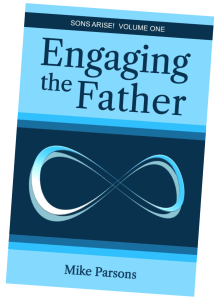
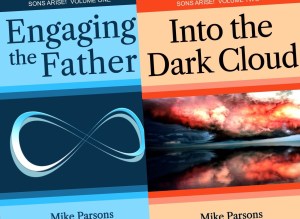
To really grasp what the book (Engaging the Father) is about, I’d suggest reading it first to get the overall idea without focusing on the activations. Once you have a good understanding, go back and do the activations separately. This way, you won’t be distracted by wondering what’s next while trying to do the exercises. Reading the book might take a few hours, but doing the activations could take a week. Truly embracing the lifestyle and experiences described might take a month or more. It’s a commitment that many struggle with because of our busy lives, but that’s how we truly learn—through repetition and practice.
I’ve spent many years practicing meditation, starting around 2000, focusing on Bible verses and drawing spiritual insights. By 2008, I had a significant encounter in heaven, after years of visual and meditative practice. Initially, it was difficult since I wasn’t raised with meditation, but over time, it became second nature.

Understanding how to switch between the left and right brain is key. For example, I practised with a YouTube exercise where a spinning ballerina can appear to spin in different directions based on brain dominance. Initially, I couldn’t control how I saw it, but with practice, I learned to switch my perception at will.

This skill is useful in problem-solving and creativity. In my workshop, I might start with left-brain analytical thinking but switch to right-brain creativity when stuck. Practising this switch helps in various situations, like making something for Debbie—who often needs to give me detailed instructions because my functional creations might not meet her aesthetic expectations.

You have to practise these skills; it’s not easy, but with perseverance, it becomes instinctive. Spiritual exercises are always beneficial, even if the results aren’t immediately apparent. Over time, you absorb spiritual knowledge, sometimes without realising it. This process is like osmosis: knowledge becomes part of you naturally.

Engaging with God in spiritual exercises can lead to knowing things instinctively. Sometimes, insights may come unexpectedly during conversations. It’s a gradual process, but a steady drip can soak you as effectively as a downpour. Even if you can’t pinpoint when the change happened, you’ll feel different over time as these spiritual practices become part of you.

Note: Mike’s latest books, Engaging the Father and Into the Dark Cloud, contain links to recordings of many activations (spiritual exercises) that you can do as you read through the material (or not) – and repeat as often as you need afterwards.